Explore the essential elements of a modern kitchen remodel that not only enhances functionality but also increases the aesthetic appeal of your home. As the heart of the house, a well-designed kitchen can significantly impact everyday living and create a space worth investing in. A modern kitchen remodel involves incorporating innovative design concepts and state-of-the-art technology. By choosing the right features, homeowners can create a kitchen that is both practical and visually appealing. Get ready to discover the must-have features to consider when embarking on your kitchen renovation journey.
1. Smart Appliances
Energy Efficiency
Today’s modern appliances prioritize energy efficiency, helping homeowners save on utility bills while aiding environmental conservation. These appliances are designed using advanced techniques that minimize energy consumption without compromising on performance. Features such as energy-efficient motors, improved insulation, and intelligent energy use algorithms are integral. Transitioning to energy-efficient appliances can also qualify homeowners for tax incentives and rebates, further offsetting renovation costs. Ultimately, the emphasis is on creating a kitchen that is both high-performing and mindful of resource use.
WiFi Connectivity
WiFi-enabled kitchen appliances provide unparalleled convenience for the modern homeowner. By connecting appliances to the internet, users gain the ability to control and monitor them remotely via smartphones or voice commands. This feature is incredibly beneficial for managing busy lifestyles, offering functionalities such as preheating the oven remotely or receiving notifications when a cycle is complete. In addition, WiFi connectivity allows appliances to communicate with each other for optimized operation. This technological integration turns the kitchen into a smart, interconnected hub of the home.
Voice Activation
Incorporating voice-activated functionality in kitchen appliances enhances usability and accessibility. Through integration with smart home systems like Amazon Alexa or Google Assistant, appliances can be controlled using simple voice commands. This hands-free convenience is particularly advantageous when multitasking or managing a busy cooking schedule. For example, users can easily start brewing coffee or adjust the oven temperature without lifting a finger. As these technologies become more widespread, they revolutionize the way we interact with everyday household items.
Multi-Functional Devices
The trend toward multi-functional appliances is transforming kitchen spaces by maximizing utility without adding clutter. Appliances that serve multiple purposes, such as a microwave that also functions as a convection oven, help optimize both space and functionality. These devices are particularly beneficial in smaller kitchens, where countertop and cabinet real estate is at a premium. By minimizing the number of distinct appliances needed, homeowners can design streamlined, efficient kitchens. Multi-functional devices are a testament to the innovation driving modern kitchen design.
Regular Software Updates
Modern appliances equipped with software update capabilities ensure that devices remain current with technological advances. Just like smartphones or computers, these appliances can receive updates that introduce new features, optimize performance, and improve security. This adaptability extends the lifespan of appliances, allowing them to stay relevant and functional for longer periods. It also enables manufacturers to roll out improvements and fixes remotely, enhancing the user experience without necessitating physical modifications. Consequently, these updates become a key factor in maintaining a modern, efficient kitchen.
2. Open-Concept Layout
Seamless Integration
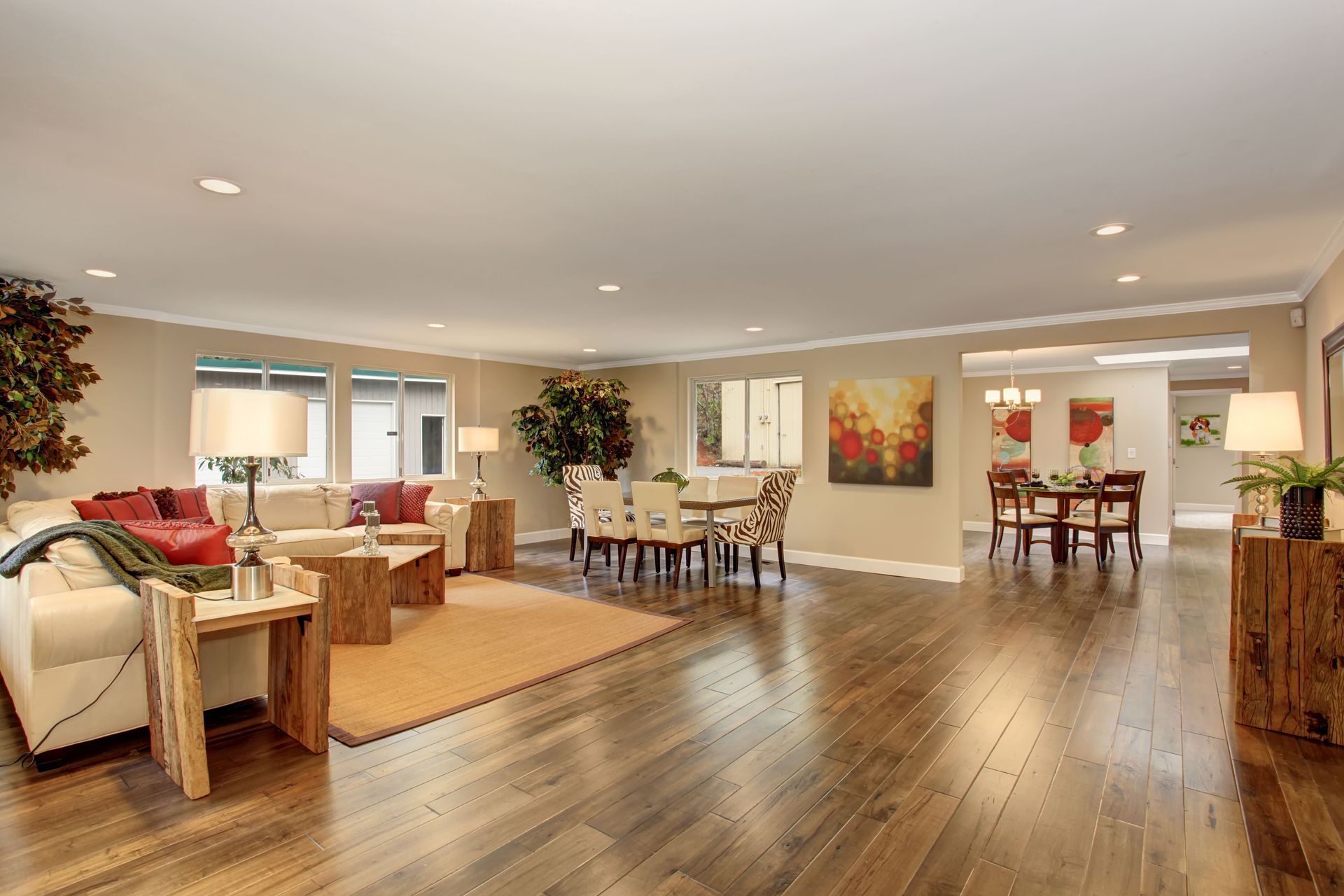
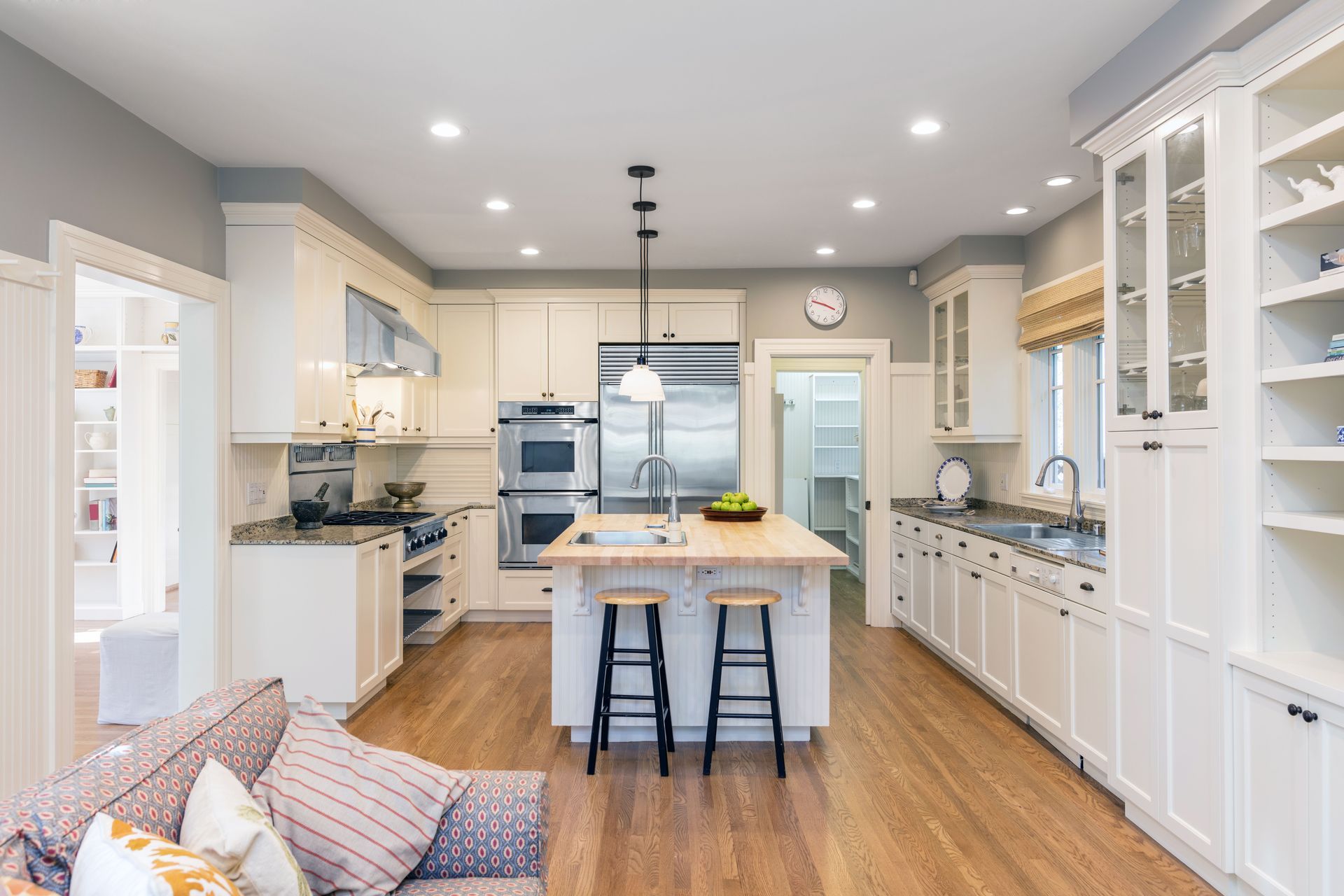
Open-concept layouts allow for seamless integration of living, dining, and kitchen spaces. This design trend breaks down traditional barriers, creating a fluid and cohesive environment. Such layouts are particularly appealing to modern families who value open spaces for interaction and communal living. By offering enhanced communication and connectivity, open-concept kitchens foster greater social engagement among family members and guests. Moreover, they allow for flexible use of space, which can be tailored to varying lifestyle needs and preferences.
Maximizing Space
Maximizing available space is a major objective in modern kitchen design. Open-concept layouts lend themselves well to creative strategies that optimize every square inch. By minimizing walls and barriers, kitchens appear larger and more inviting. Incorporating multi-purpose furniture and installing efficient storage solutions are excellent ways to boost space usage. Designed with versatility in mind, these kitchens address both aesthetic and functional demands, making them ideal for modern living environments.
Natural Lighting
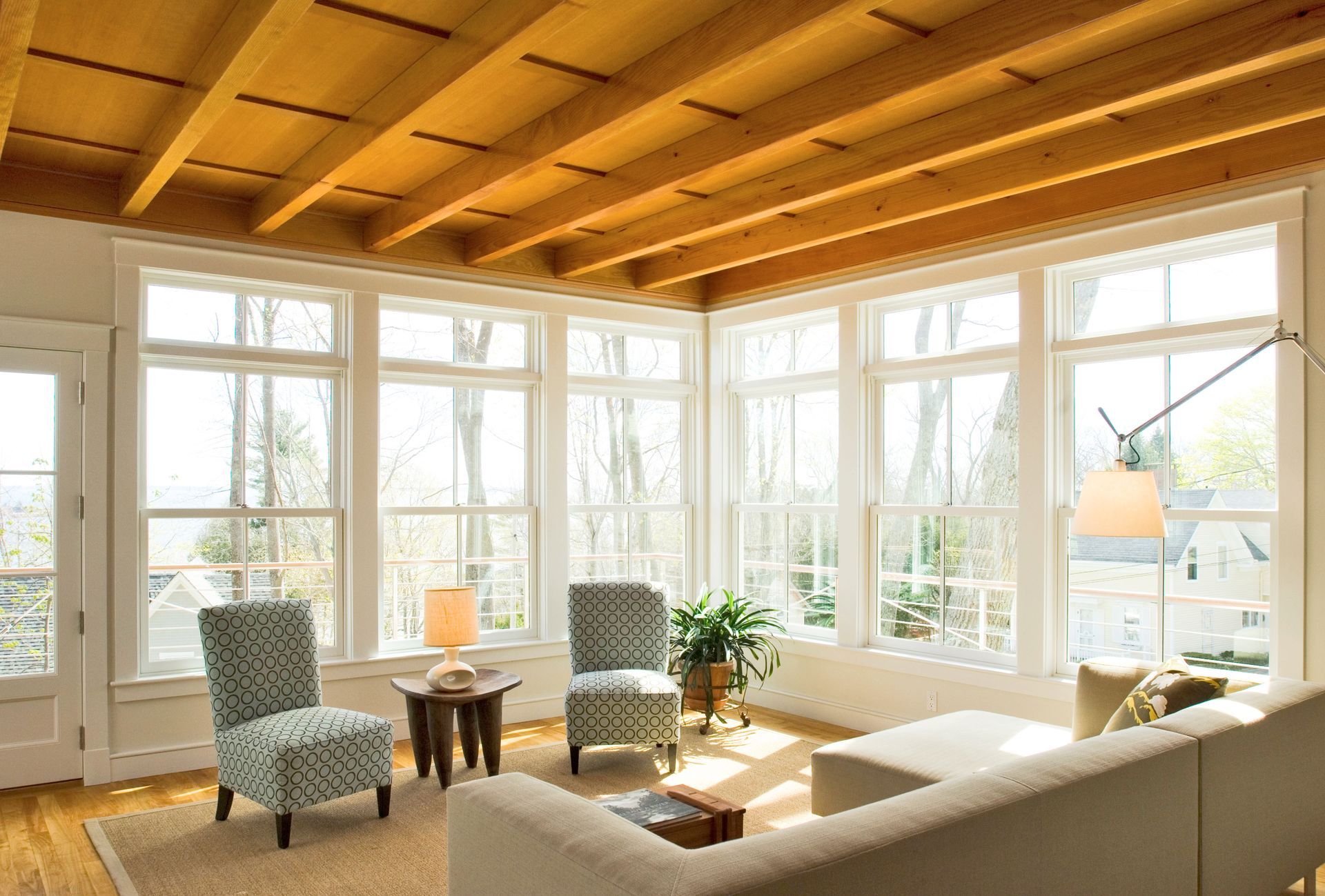
Natural lighting plays a crucial role in transforming kitchen spaces. Open layouts allow sunlight to flow unhindered, creating a warm and inviting atmosphere. To enhance this effect, strategic placement of windows, skylights, and glass doors is often employed. Not only does natural lighting improve visual comfort, but it also reduces reliance on artificial light sources, contributing to energy savings. As natural lighting becomes a staple of modern design, it emphasizes the marriage of style and sustainability in kitchen remodels.
3. Sustainable Materials
Eco-Friendly Flooring
Choosing sustainable materials for kitchen flooring is a key consideration in modern remodels. Options like bamboo and cork are becoming increasingly popular due to their renewable nature and durability. These materials offer the dual benefits of aesthetic appeal and environmental responsibility. By investing in eco-friendly flooring, homeowners align their kitchen design with a broader commitment to sustainability. Beyond being trendy, such choices affirm the importance of design that respects our planet.
Recycled Countertops
Recycled materials are gaining traction in the design of kitchen countertops. Materials made from recycled glass or composite substances present an environmentally conscious alternative to natural stone. These options not only reduce waste but also create stunning surfaces with unique textures and colors. By utilizing recycled countertops, homeowners contribute to sustainability while adding visual interest to their kitchens. The demand for such innovative design continues to grow as sustainability's role in remodeling becomes more prominent.
Low-VOC Paints
Low-VOC paints are an essential aspect of eco-conscious kitchen remodels. They emit fewer volatile organic compounds, improving indoor air quality and reducing health risks associated with toxins. This makes them an ideal choice for families, particularly those with children or individuals sensitive to chemical exposure. Using low-VOC paints represents a broader shift toward safer, more sustainable home improvement practices. Their integration into remodels highlights the growing importance of health-oriented design choices in modern times.
Durable Cabinetry
Consideration of durable materials is crucial when selecting cabinetry for modern kitchens. Options such as responsibly-sourced wood or recycled materials extend cabinetry's lifespan while minimizing environmental impact. These selections not only contribute to sustainability objectives but also offer superior resilience and aesthetics. Building with durable materials ensures that cabinets can withstand daily wear, providing long-term value. As sustainability becomes a priority in remodeling, resistant materials stand out as foundational choices.
Water-Conserving Fixtures
Investing in water-efficient fixtures is an important trend in green kitchen remodels. Low-flow faucets and water-efficient dishwashers help conserve one of our most critical resources without sacrificing performance. These fixtures are developed with advanced technologies that reduce water usage while maintaining functionality and comfort. By incorporating such products, kitchens can play a significant role in reversing the environmental impact of overconsumption. Emphasizing conservation in design priorities underscores the critical role kitchens play in sustainable and responsible living.
4. Innovative Storage Solutions
Pull-Out Shelves
Maximizing storage space is a significant focus of modern kitchen design, with pull-out shelves offering a prime solution. These shelves provide easy access to items, eliminating the need to rummage through deep cabinets. Such solutions ensure that every inch of storage space is easily reachable, enhancing efficiency. Additionally, they are particularly beneficial for addressing accessibility needs, enabling individuals with mobility issues to use the kitchen with ease. Pull-out shelves embody both the functionality and user-centric design principles driving contemporary kitchen remodels.
An effective kitchen remodel combines technology, sustainability, and style to create a space that meets modern living demands while reflecting personal taste. According to HomeAdvisor, a standard kitchen remodel usually takes between 6 weeks and 4 months to complete, reinforcing the importance of thoughtful planning and design. By considering these must-have features, homeowners can ensure a kitchen remodel that adds value, functionality, and pleasure to their home experience. It signifies not only an enhancement to daily living but also a long-term investment in quality and innovation. Ultimately, a well-planned kitchen remodel aligns future-ready design with timeless elegance, setting the standard for modern homes. Be sure to reach out to KCRR Solutions today for more information on our professional kitchen remodel!




Share On: