Smart lighting is changing how homeowners interact with their living spaces, offering greater convenience, energy efficiency, and control. Connected systems allow residents to adjust brightness, colors, and schedules through smartphones or voice commands, creating comfortable environments for different activities.
As smart home technology becomes more accessible, lighting is becoming an important consideration during residential upgrades. A home remodeler can help incorporate these systems into renovation plans so that lighting complements the property's layout and design.
The growing interest in these solutions is reflected in industry projections. According to Markets and Markets, the North American smart lighting market is projected to reach USD 3.67 billion by 2030, up from USD 2.63 billion in 2025. This growth highlights increasing demand for connected residential technology.
Understanding the Benefits of Smart Lighting
Improving Energy Efficiency
One appealing advantage of smart lighting is its potential to reduce household energy consumption. Many systems use LED bulbs, which require less electricity than traditional incandescent lighting and typically last longer. Homeowners can also use automated schedules, dimming features, and motion sensors to prevent lights from remaining on unnecessarily.
Some systems adjust brightness based on available natural light, reducing electricity use during daylight hours. Over time, lower energy consumption can contribute to reduced utility expenses and more environmentally conscious living.
Strengthening Residential Security
Smart lighting can contribute to home security by making a property appear occupied when residents are away. Homeowners can schedule lights to turn on and off at different times, creating a natural appearance throughout the evening.
Motion-activated lighting provides another layer of functionality. Outdoor fixtures can illuminate entrances, walkways, and other areas when movement is detected. Some systems also connect with security cameras and alarm equipment, allowing lighting to respond to activity around the property.
Supporting Personalized Comfort
Lighting influences how a room looks and feels. Homeowners can adjust brightness, color temperature, and individual colors to create different atmospheres. Warm lighting may provide a relaxing environment in bedrooms and living rooms, while cooler lighting can support concentration in home offices.
Residents can also program lighting scenes for reading, cooking, entertaining, or relaxing. A home remodeler can incorporate these preferences into renovation plans so that lighting complements each room's intended purpose.
Simplifying Everyday Routines
Smartphone applications and voice assistants allow homeowners to control fixtures remotely. This is especially useful when residents forget to turn off lights before leaving home.
Scheduling features can further simplify daily routines. Bedroom lights can gradually brighten in the morning, while living room fixtures can automatically dim during the evening. These adjustments make household lighting more responsive to everyday activities.
Exploring the Different Types of Smart Lighting
Installing Smart Bulbs
Smart bulbs are among the simplest ways to introduce connected lighting into an existing home. They fit into many standard fixtures and connect through Wi-Fi, Bluetooth, or a compatible smart home hub. Homeowners can then use an application or voice assistant to adjust brightness, change colors, and establish schedules.
These bulbs are useful for homeowners who want to experiment with smart technology without extensive electrical changes. However, compatibility matters. Some bulbs require specific hubs and may not work properly with existing dimmer switches.
Replacing Traditional Switches
Smart switches replace conventional wall controls with connected alternatives. Rather than upgrading every bulb individually, homeowners can use a smart switch to control multiple fixtures connected to the same circuit. This is especially practical in rooms with several recessed lights or ceiling fixtures.
Many smart switches support scheduling, remote operation, and integration with other connected devices. However, some models require a neutral wire, making it important to evaluate the existing electrical configuration before purchasing.
Adding Smart Plugs
Smart plugs offer a straightforward solution for controlling lamps and other compatible lighting devices. These adapters connect to standard electrical outlets, allowing homeowners to operate connected fixtures through an application or voice assistant.
Although smart plugs offer less customization than dedicated smart bulbs, they introduce automation without requiring fixture replacements. They can also control certain small household appliances.
Integrating Specialized Lighting
Smart LED strips and panels provide opportunities to incorporate decorative lighting into residential spaces. LED strips can be installed beneath cabinets, behind televisions, or along shelving. Their adjustable colors and brightness levels make them useful for creating accent lighting and highlighting design elements.
Integrated lighting systems connect multiple fixtures, switches, sensors, and control devices through a centralized platform. These arrangements allow homeowners to manage lighting throughout several rooms while maintaining consistent settings.
Planning Smart Lighting During Home Renovations
Evaluating Household Needs
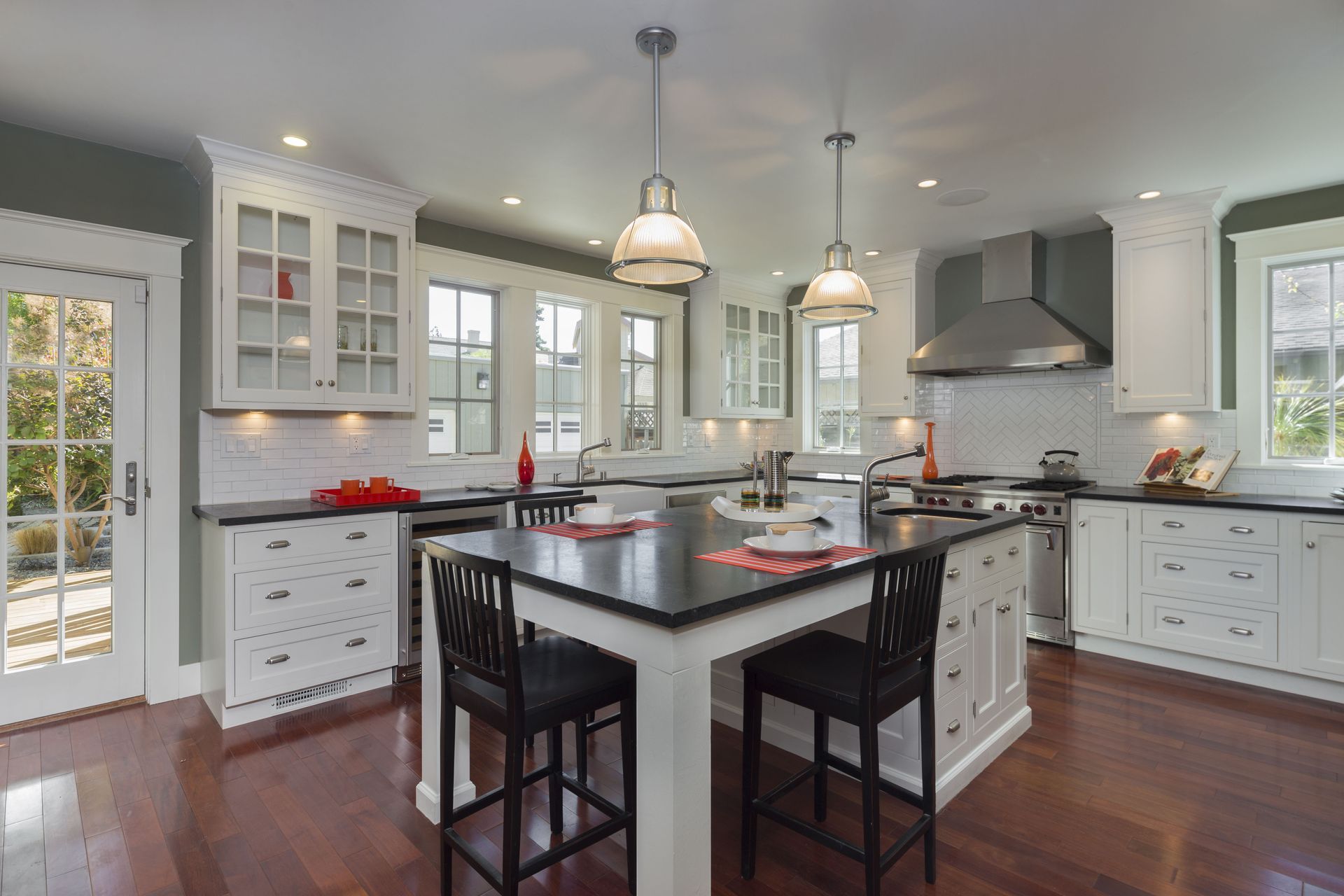
Before selecting equipment, homeowners should consider how different rooms are used and which lighting improvements would be most beneficial. Kitchens may benefit from adjustable task lighting, while bedrooms might require dimmable fixtures and automated schedules. Hallways and entryways can benefit from motion-activated lighting.
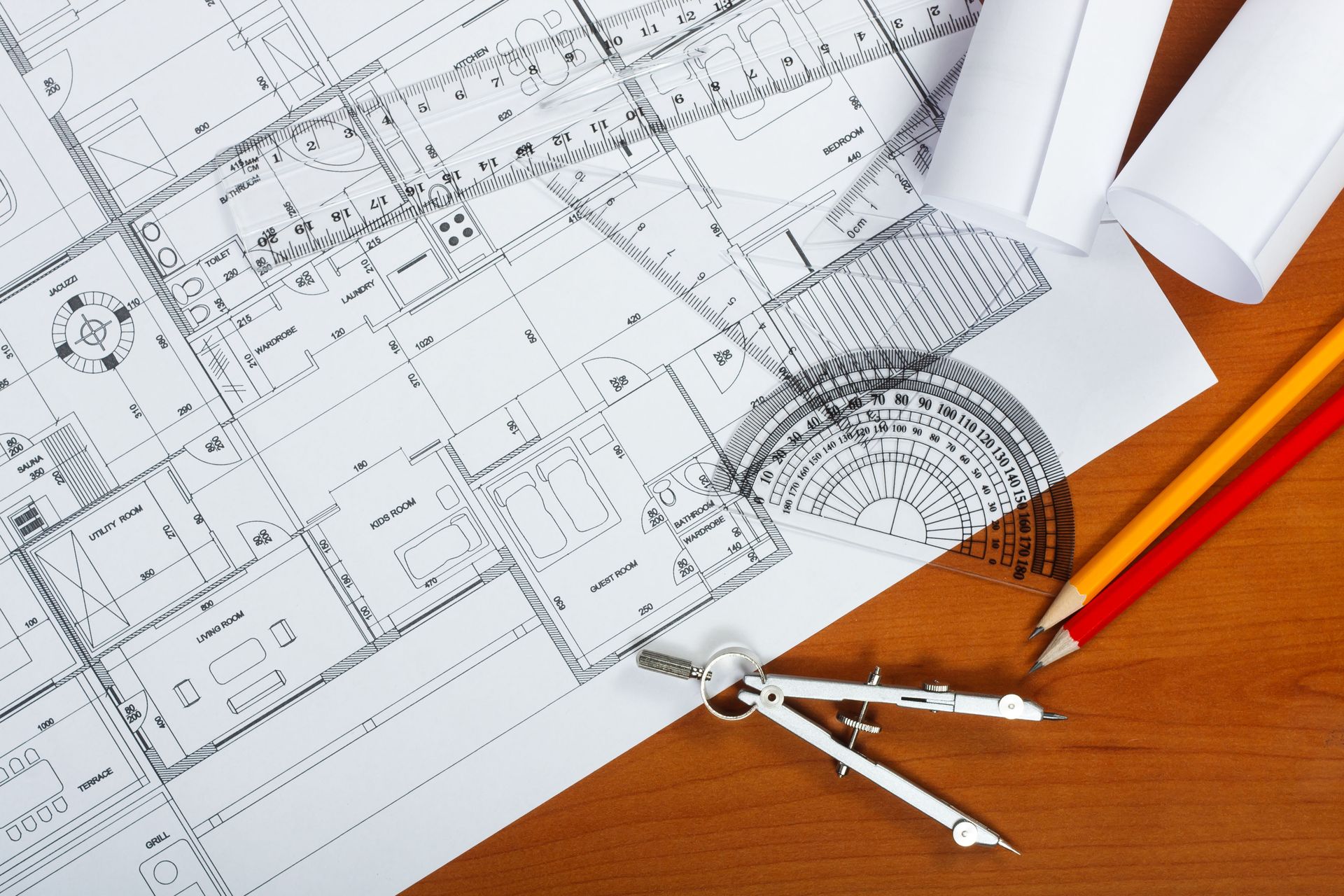
Working with a home remodeler during the planning stage can help identify opportunities to incorporate connected technology. This is particularly important when renovations involve changing room layouts, adding fixtures, or updating electrical systems.
Checking Compatibility and Connectivity
Not every smart lighting product works with every home automation platform. Some devices communicate through Wi-Fi, while others use Bluetooth, Zigbee, or alternative wireless protocols. Homeowners should determine whether their preferred products will communicate with existing devices and whether additional equipment is necessary.
Reliable wireless connectivity is equally important. Larger homes may require additional network coverage or strategically positioned hubs to maintain dependable communication between devices.
Considering Electrical Requirements
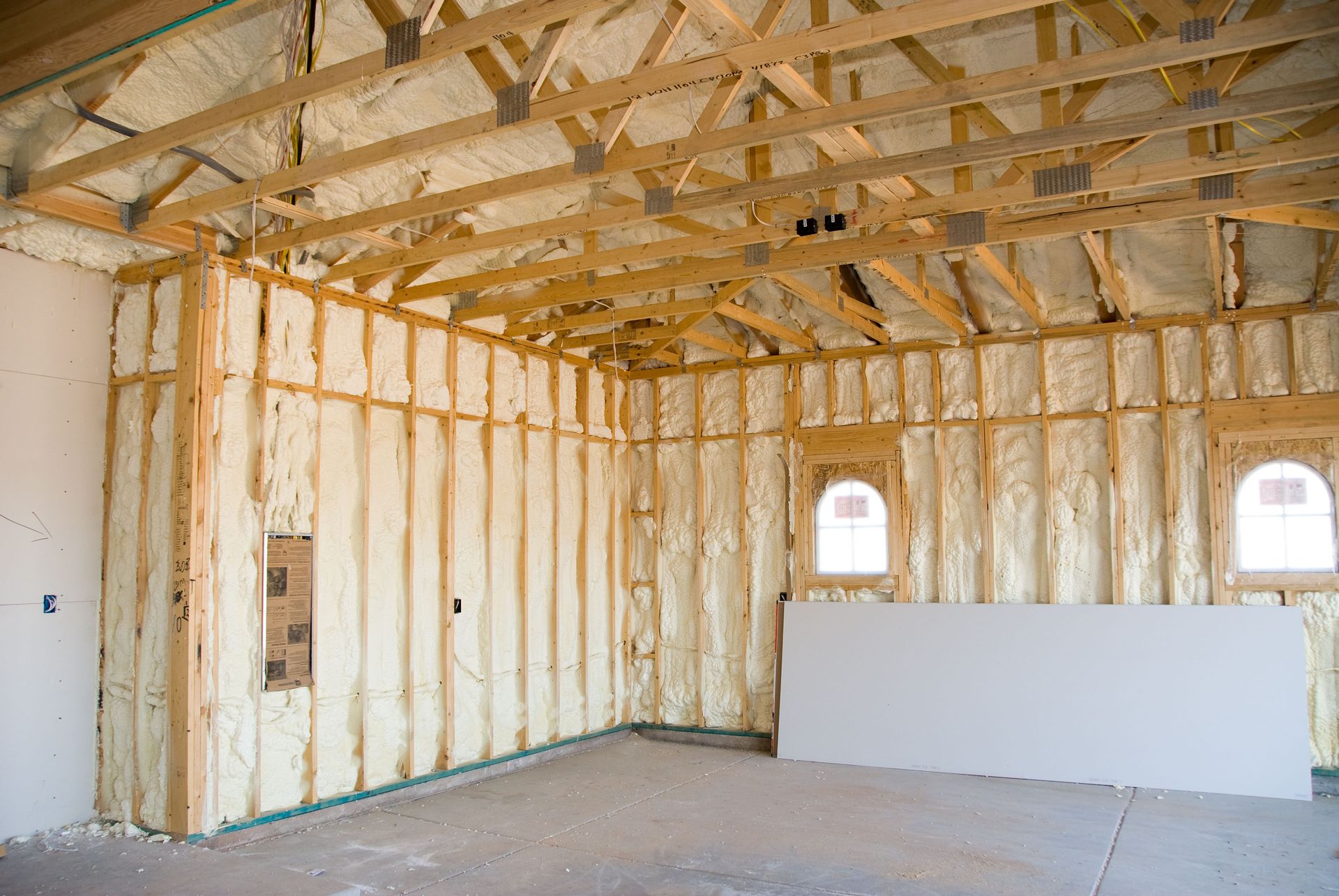
Smart lighting upgrades can involve more than purchasing connected bulbs. New switches, recessed fixtures, dedicated circuits, and integrated lighting controls may require electrical modifications. Existing wiring and fixture placement should be evaluated before installation.
Homeowners planning extensive renovations should discuss these requirements with qualified professionals. Coordinating electrical work with other construction activities helps incorporate wiring, controls, and fixtures into the finished design. A home remodeler can also help coordinate different aspects of the project.
Balancing Design and Functionality
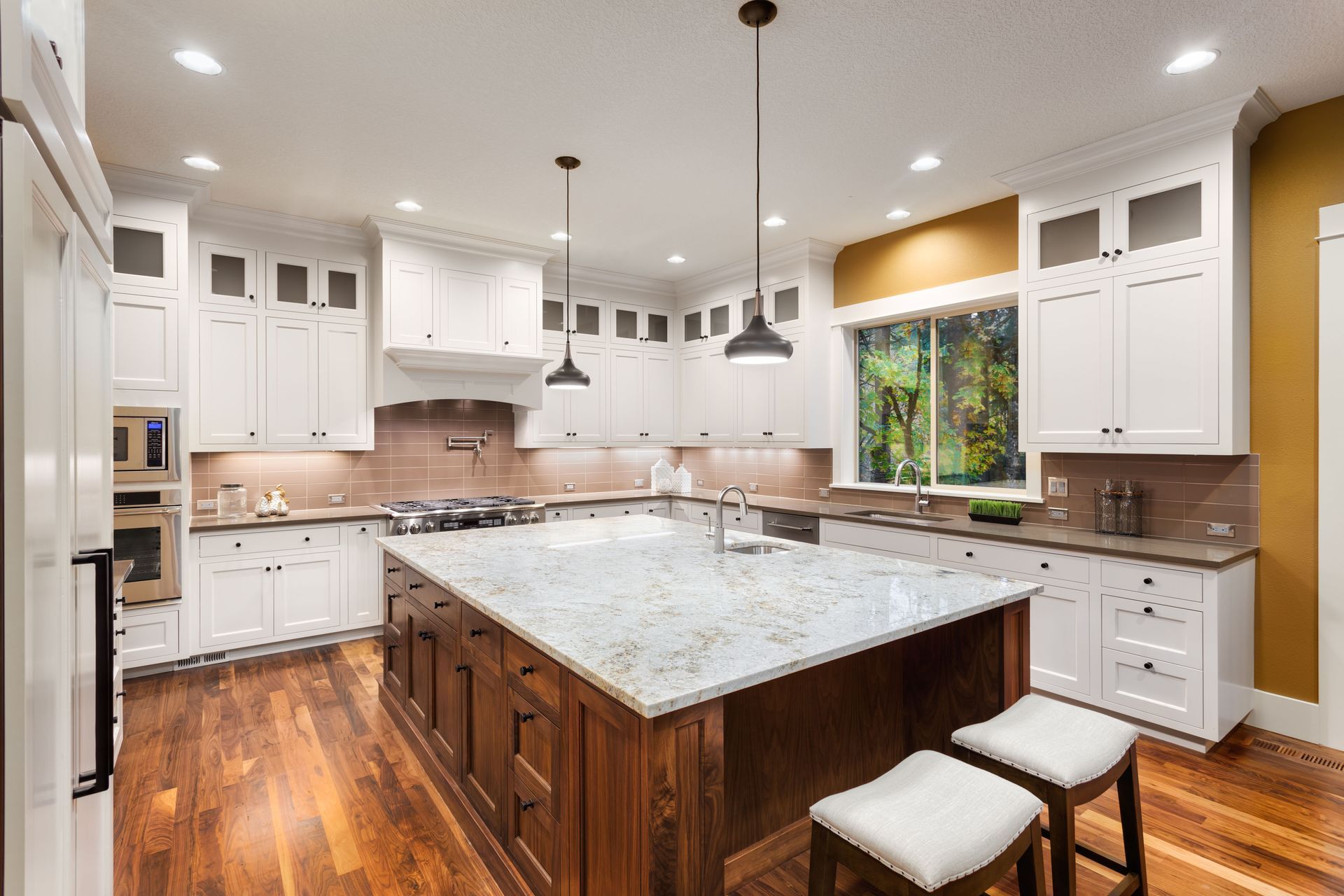
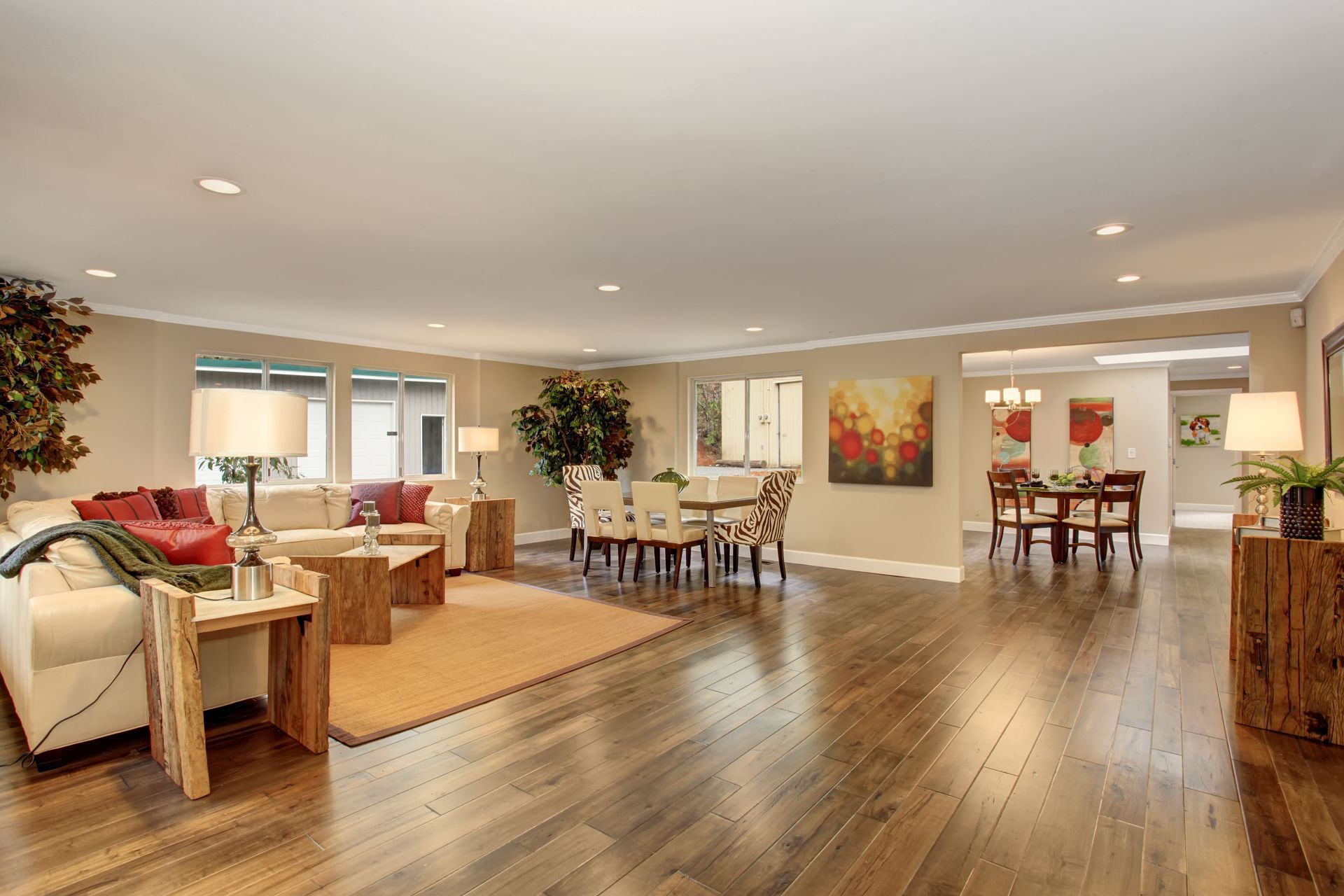
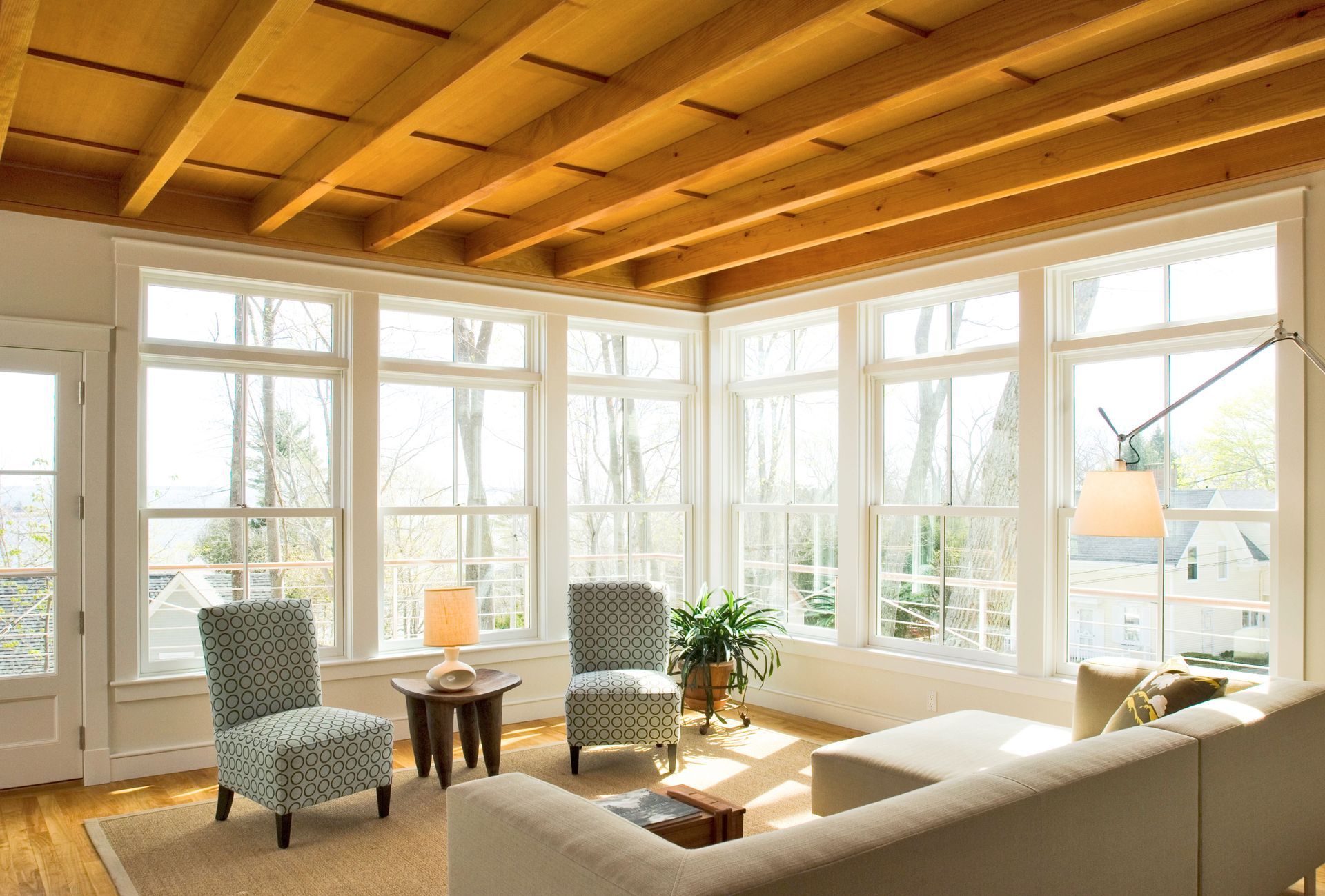
Smart lighting should complement the home's overall appearance. Fixture styles, placement, color temperatures, and lighting intensity all influence the finished environment. Recessed lighting may provide general illumination, while pendant fixtures and LED accents can create visual interest.
Homeowners should consider how lighting will interact with existing finishes, furniture, and architectural features. Selecting complementary fixtures creates a cohesive appearance while preserving the benefits of automation.
Preparing for a Successful Smart Lighting Installation
Planning for Long-Term Flexibility
Technology continues to evolve, so choosing adaptable equipment can help homeowners avoid unnecessary replacements. Products that support widely used smart home platforms and receive regular software updates may offer greater long-term flexibility.
Homeowners should prioritize dependable products over unnecessary features. A straightforward system that operates consistently may provide more value than a complicated setup with functions that rarely get used.
Coordinating Professional Installation
While some smart bulbs and plugs are designed for simple installation, extensive upgrades may require professional assistance. Electrical modifications, integrated controls, and new fixture installations should be handled by qualified professionals familiar with existing systems and applicable safety requirements.
An experienced home remodeler can coordinate these improvements alongside cabinetry, flooring, painting, and other renovation work. Professional planning also helps identify compatibility issues and determine appropriate fixture locations.
Transforming Residential Spaces With Smart Lighting
Smart lighting offers more than convenient ways to operate fixtures. Its energy-saving capabilities, customizable settings, security features, and automation options can improve residential comfort. Whether introducing a few connected bulbs or designing an integrated lighting network, these upgrades make homes more adaptable.
Successful implementation starts with thoughtful planning, compatible equipment, and attention to existing electrical systems. Incorporating lighting decisions into the initial renovation process can help prevent unnecessary modifications later.
For homeowners interested in modernizing their living spaces, KCRR Solutions can help bring renovation goals together through thoughtful planning and professional project coordination. Working with an experienced home remodeler makes it easier to incorporate smart lighting and other modern improvements into a cohesive home design.


Share On: