A commercial property plays an important role in how a business operates, serves customers, and presents itself to the community. However, as buildings age and business needs change, an existing space may no longer provide the functionality or appearance required to stay competitive. Outdated interiors, inefficient layouts, and deteriorating features can affect everything from employee productivity to customer impressions.
Working with a commercial remodeler can help business owners identify opportunities to improve their properties while making the most of their existing space. Whether you manage an office building, restaurant, retail location, or medical facility, several warning signs may indicate that a major renovation is worth considering.
1. Outdated Interiors No Longer Reflect Your Business
The appearance of a commercial property can influence how customers, employees, and visitors perceive a business. Worn flooring, dated fixtures, aging wall finishes, and outdated color schemes can make an otherwise successful company appear less professional. Together, these details can create an environment that no longer reflects the quality of the products or services being offered.
Businesses also change over time. A space that once matched a company's branding may no longer fit its current direction. If the physical environment has not kept pace with these changes, the property could benefit from a more comprehensive update.
Improve the Appearance of High-Traffic Areas
Entryways, reception areas, hallways, and customer-facing spaces often show signs of aging first. Replacing worn materials, updating lighting, and introducing contemporary finishes can make these spaces feel cleaner and more welcoming.
A commercial remodeler can help determine which improvements will have the greatest visual impact. Rather than making isolated cosmetic changes, a coordinated renovation can create a consistent appearance throughout the property while incorporating durable materials suited to everyday commercial use.
2. Inefficient Layouts Interfere With Daily Operations
A commercial property's layout should support the activities taking place inside it. When rooms, workstations, storage areas, and customer spaces are poorly arranged, employees may struggle to complete routine tasks efficiently. Customers might also encounter confusing pathways, crowded waiting areas, or limited access to important services.
These problems often become more noticeable as a business grows. Additional employees, new equipment, expanded inventory, or changing service offerings can place demands on a floor plan that was never designed to accommodate them. Instead of continually working around an inconvenient arrangement, property owners may benefit from rethinking how the available space is used.
Reconfigure Spaces Around Current Needs
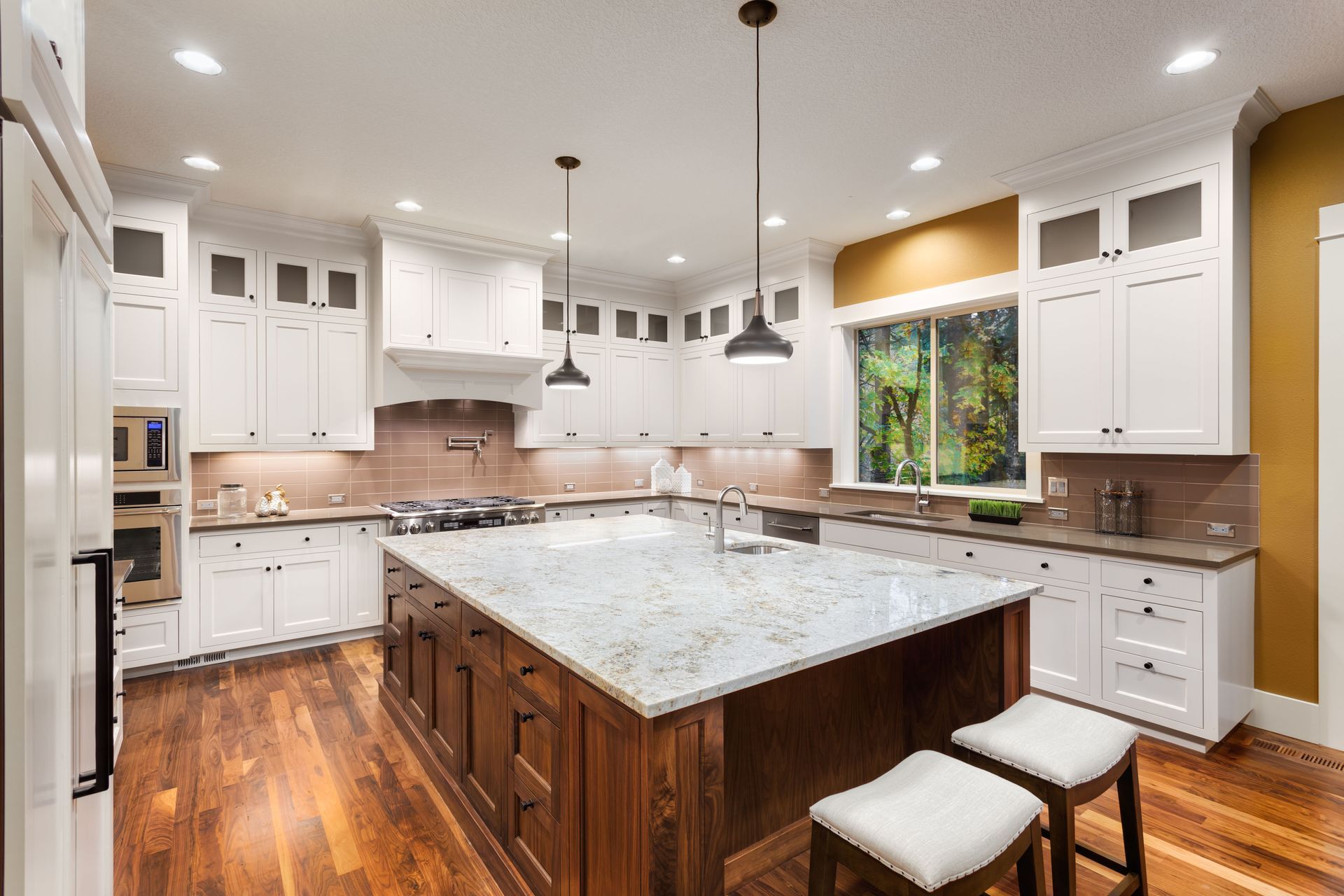
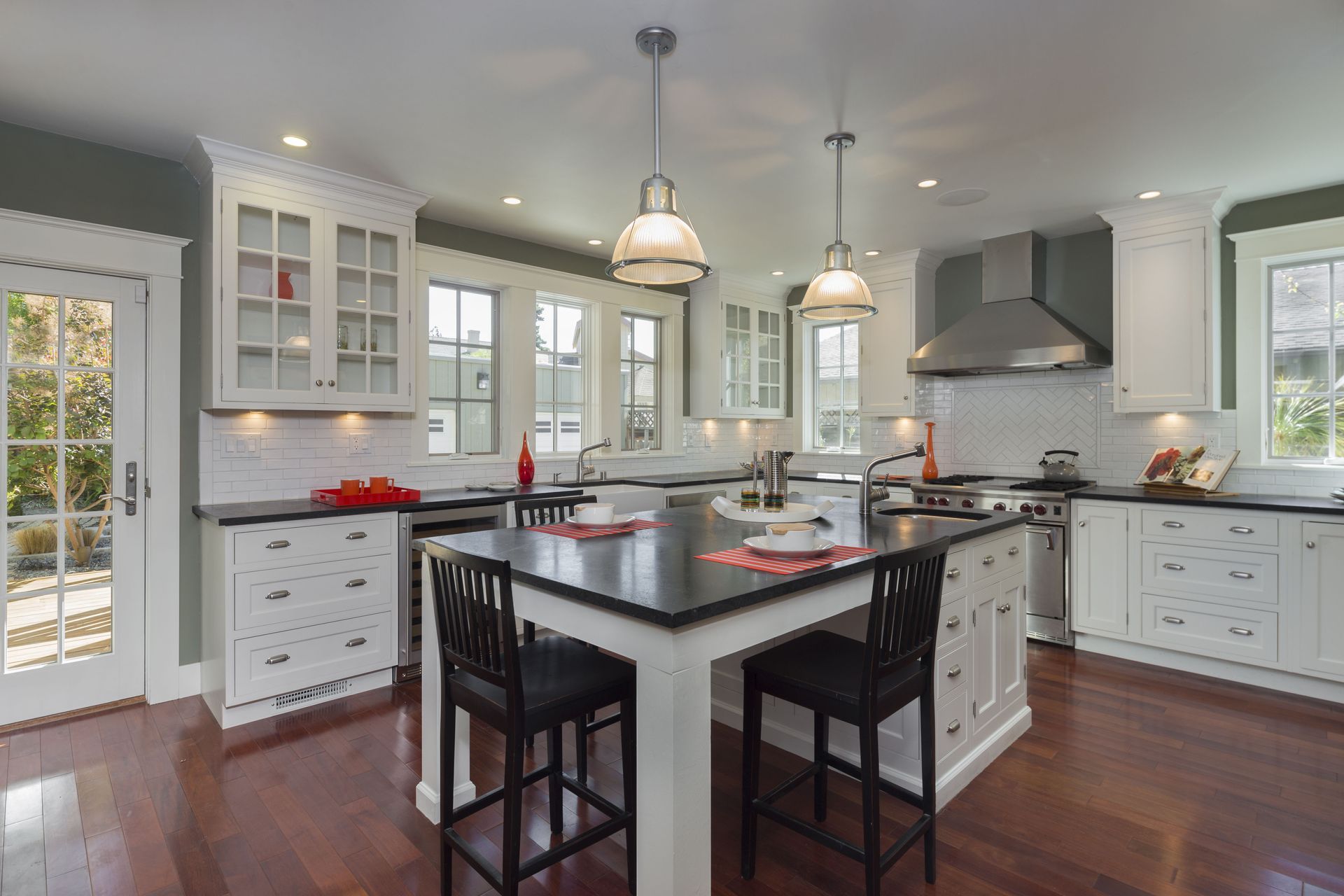
Reworking an interior layout can make a commercial property more practical without requiring an entirely new building. An office might benefit from additional meeting rooms or shared collaboration spaces. A restaurant could need a more efficient arrangement between its kitchen, dining room, and service areas. Retail properties may benefit from wider aisles and better-organized displays.
A commercial remodeler can evaluate these needs and develop a renovation plan that makes better use of the existing footprint. Improvements may involve removing or adding interior walls, adjusting room configurations, or transforming underused areas into functional spaces.
3. Building Systems and Features Show Signs of Wear
Visible deterioration is another indication that a commercial property may need more than a simple cosmetic update. Damaged flooring, deteriorating drywall, outdated fixtures, and recurring maintenance concerns can affect the safety, comfort, and usability of a building. When several components begin showing their age at once, continuing to make small repairs may become less practical than planning a larger renovation.
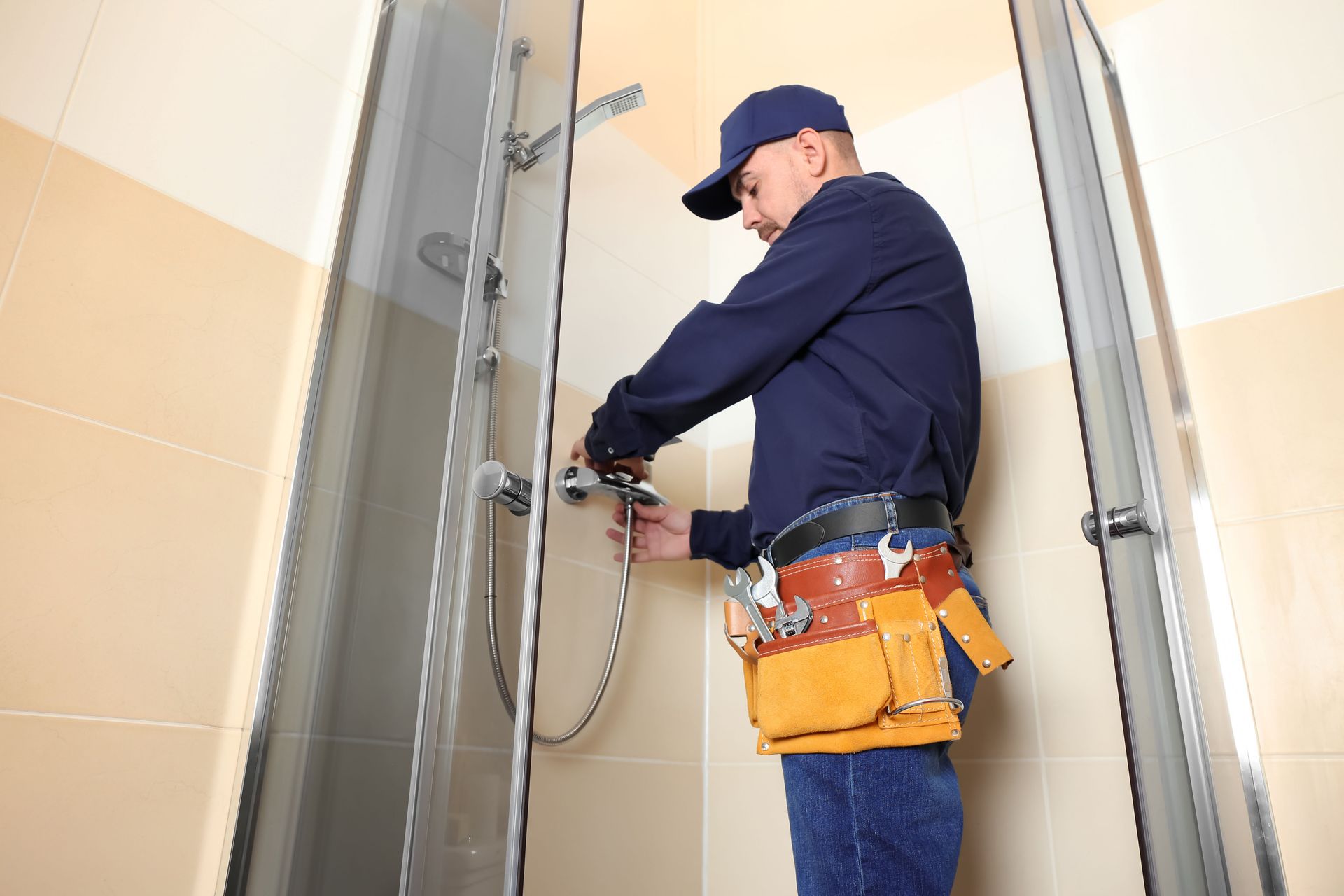
Property owners should also pay attention to systems that influence everyday performance. Outdated mechanical components, insufficient lighting, aging plumbing fixtures, and electrical limitations can interfere with normal business activities, particularly when a company introduces new equipment or increases its operational demands.
Address Problems Before They Become More Disruptive
Repeated repairs can take time away from running a business, particularly when the same problems keep returning. A comprehensive renovation by a commercial remodeler provides an opportunity to evaluate affected areas together and address underlying concerns rather than repeatedly treating individual symptoms.
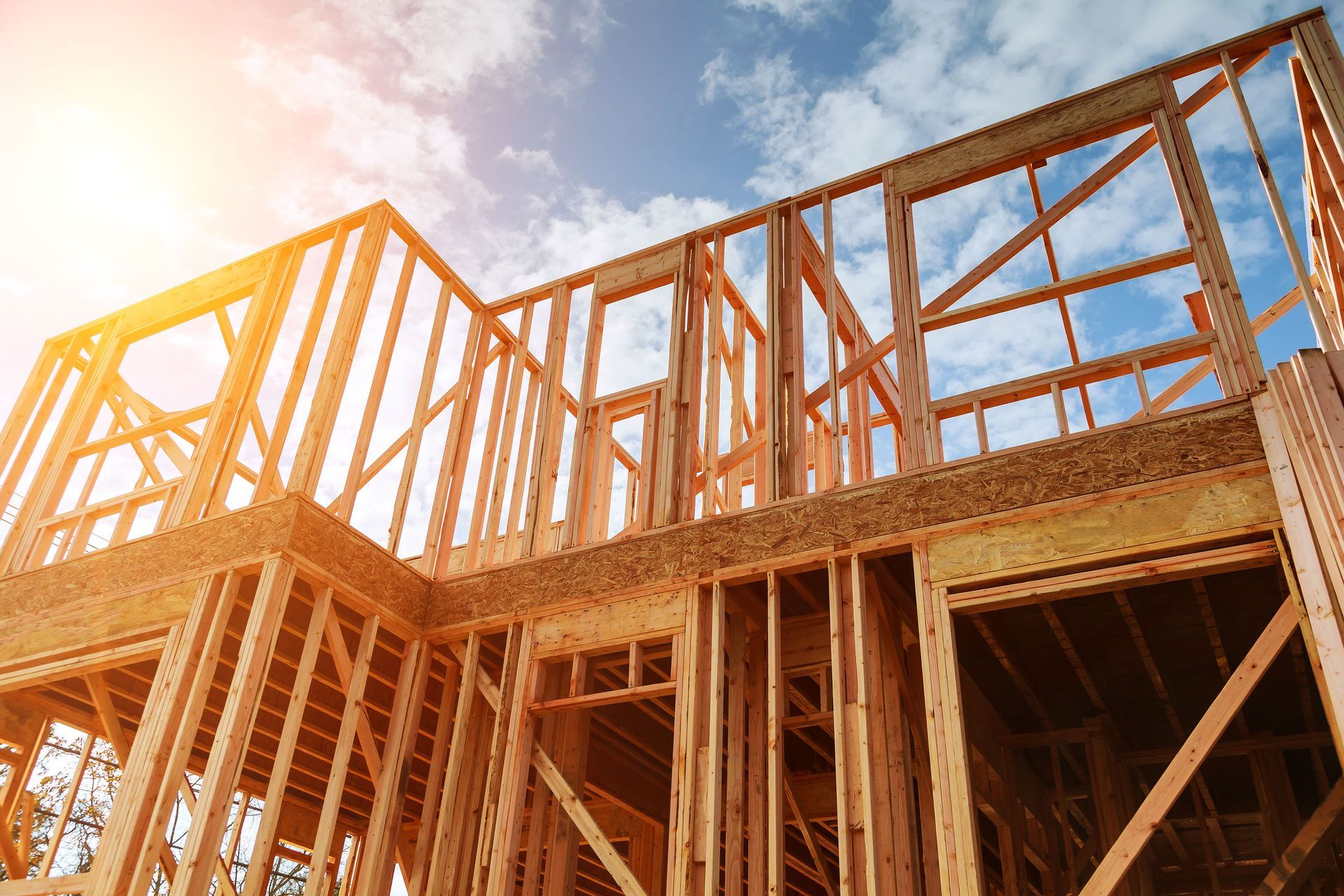
Depending on the building's condition, a project might include replacing worn finishes, updating mechanical systems, improving lighting, or rebuilding sections that require more extensive attention. Planning these improvements together can help coordinate construction activities and reduce unnecessary interruptions.
Not every aging component requires immediate replacement, so a thorough evaluation is important. Understanding the property's condition helps owners prioritize improvements based on their actual needs and available budgets.
4. Space Limitations No Longer Support Business Growth
A growing business needs a physical environment that can accommodate its changing operations. Additional employees, new departments, expanded inventory, and increased customer traffic can quickly make a previously comfortable property feel cramped. When employees lack adequate work areas or customers regularly encounter crowded spaces, the building may no longer be suitable for the business it houses.
Moving to another location is not always the most practical solution. A renovation or commercial rebuild may provide the additional functionality a business needs while allowing it to remain in a familiar location. This can be especially valuable for companies with established customer relationships or significant investments in their existing properties.
Make Room for New Opportunities
Renovation projects can transform underused sections of a building into productive spaces. An office might convert an oversized storage room into additional workstations, while a retail property could redesign its interior to accommodate new merchandise. Restaurants and medical facilities may need specialized rooms or improved service areas as their offerings expand.
Commercial tenant finishes and leasehold improvements can also help property owners prepare spaces for new occupants. Customizing an interior to meet a tenant's operational requirements with the help of a commercial remodeler can make a commercial property more functional and appealing to prospective businesses.
Industry activity also reflects the importance of investing in commercial spaces. According to IBIS World, office-oriented remodelers have seen construction values rise at a 4.3% CAGR from 2021 to 2025. This growth highlights continued investment in office improvements and the value businesses place on maintaining functional, updated environments.
5. Accessibility and Customer Experience Need Improvement
A commercial property should be comfortable and accessible for the people who use it. If visitors struggle to navigate the building, locate important areas, or comfortably use its facilities, the property's design may need attention. Narrow pathways, inconvenient restroom arrangements, poor lighting, and confusing entrances can all create unnecessary challenges.
Accessibility is particularly important for businesses that serve the public. Property owners should consider whether their facilities meet applicable accessibility requirements and whether visitors with different mobility needs can comfortably navigate the space. Renovations with a commercial remodeler may provide an opportunity to address compliance concerns while creating a more welcoming environment.
Create a More Welcoming Environment
Improving the customer experience often starts with practical design decisions. A more organized reception area, clearly defined walkways, comfortable waiting spaces, and updated restrooms can make a meaningful difference. Better lighting and thoughtfully arranged interiors can also make a property easier to navigate.
Different industries have different priorities. Medical offices may need improved patient flow and private spaces, while restaurants require convenient dining areas and accessible facilities. Retail businesses may focus on making entrances and shopping areas easier to navigate.
A commercial remodeler can help identify improvements that balance accessibility, appearance, and functionality. Incorporating these considerations into a larger renovation can help property owners create a space that better serves employees, customers, and visitors.
If your business or commercial property is showing signs that it is time for an upgrade, contact KCRR Solutions. With in-house design services and experience handling projects ranging from tenant finishes to complete rebuilds, the team can help you develop a renovation plan that fits your goals. Request a free quote today and take the next step toward creating a more functional, attractive commercial property.

Share On: